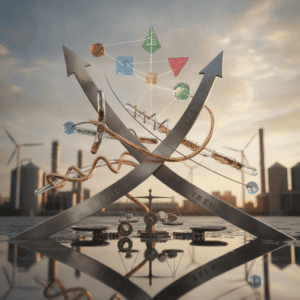
The world around us changes faster than ever. Every sector, from automotive to retail, now feels the impact of new technologies. We are seeing a complete transformation of how businesses operate and how customers interact with them.
I find it fascinating to watch these shifts happen in real time. The automotive industry, for example, is constantly innovating with electric vehicles and smart designs. Similarly, the retail sector is undergoing its own radical evolution.
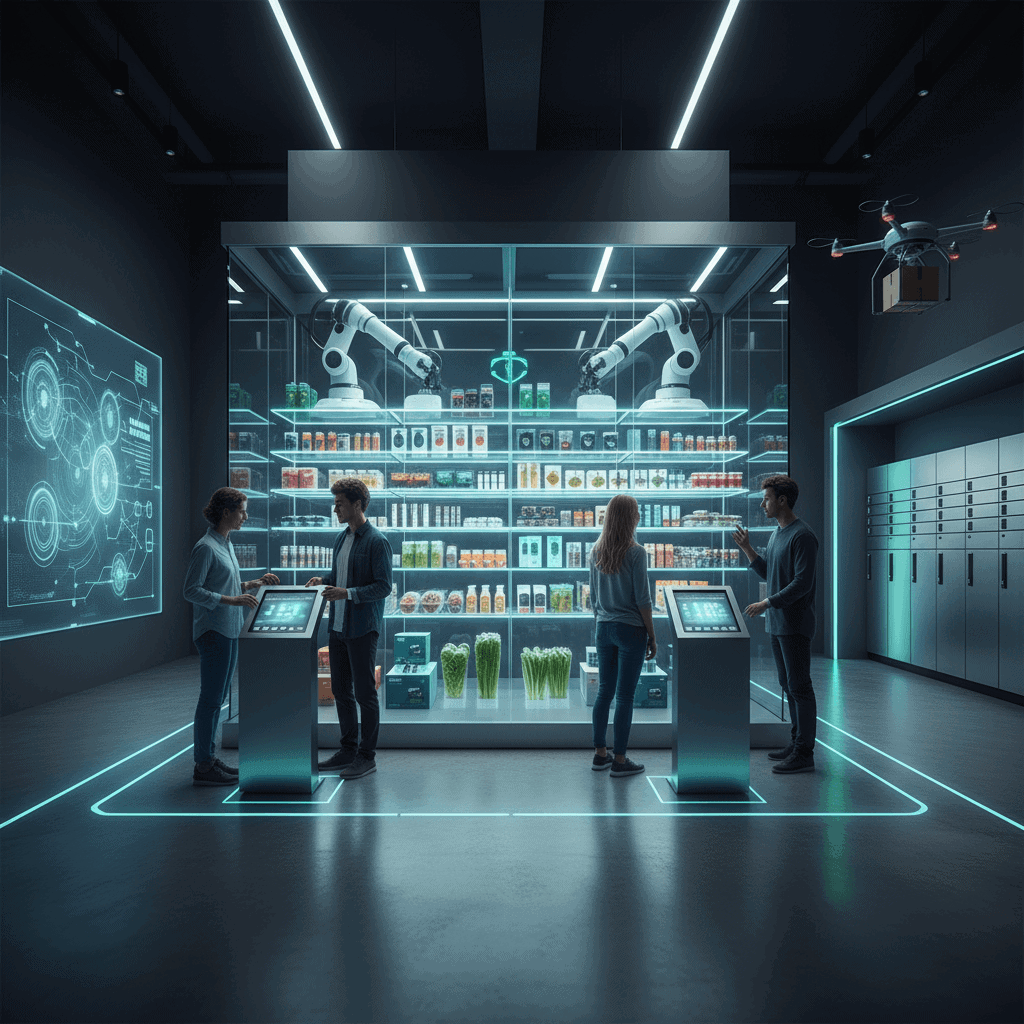
This rapid change gives rise to modern strategies for automated retail. These strategies redefine convenience and efficiency for consumers and businesses alike. I want to explore how these innovations are shaping the future of commerce.
The Dawn of Automated Retail: A New Era of Convenience
Automated retail is much more than simple vending machines. It represents a fundamental shift in how goods and services are delivered. This new era focuses on providing immediate access and personalized experiences without the need for traditional staff interaction.
I have observed that consumer behavior drives this shift. People today expect instant gratification and seamless transactions. They want products available at any time and in any location.
Automated retail solutions meet these demands head-on. They offer convenience that traditional brick-and-mortar stores often cannot match. Imagine getting fresh produce or electronics from a smart kiosk at your office building or apartment complex.
Understanding Customer Behavior in a Digital Age
Today’s customers are incredibly savvy about new technologies. They use smartphones for almost everything, from banking to social media. This digital literacy means they are comfortable with self-service options.
They expect speed and efficiency in all their interactions. Long lines and limited hours frustrate them. Automated retail appeals directly to this desire for effortless shopping experiences.
My experience tells me that businesses embracing these automated approaches gain a significant competitive edge. They cater to a growing demographic that values digital solutions and instant availability. This is about adapting to the present and preparing for the future.
Key Technologies Driving Automated Retail Evolution
The innovations making automated retail possible come from a blend of advanced technologies. These tools work together to create intelligent, efficient, and user-friendly systems. I see these technologies as the backbone of this retail transformation.
Without them, automated retail would still be a futuristic dream. Now, it is a practical reality. Understanding these core technologies helps us appreciate the complexity and potential of these systems.
We are not just talking about simple coin-operated machines. These are sophisticated platforms that integrate various high-tech components. They operate with precision and offer a wide range of products.
Artificial Intelligence and Machine Learning in Automated Retail
Artificial intelligence and machine learning are at the heart of modern automated retail. AI algorithms personalize shopping experiences. They analyze customer preferences and purchase history to recommend relevant products.
Machine learning also optimizes inventory management. It predicts demand for specific items, so restocking happens efficiently. This prevents both overstocking and stockouts, saving businesses money and satisfying customers.
I have seen how AI can even detect potential maintenance issues before they become problems. This proactive approach ensures machines stay operational and profitable. It is truly smart retail at work.
IoT and Sensor Technology for Seamless Operations
The Internet of Things, or IoT, connects automated retail units to a central network. Sensors within these machines monitor everything from temperature to product levels. This real-time data is crucial for smooth operations.
Imagine a smart refrigerator that knows exactly how many cold drinks it has left. It can automatically send an alert when stock is low. This seamless communication improves efficiency significantly.
This technology also enables remote monitoring and troubleshooting. Operators can manage multiple units from a single location. It drastically reduces the need for on-site visits and manual checks.
Beyond Vending Machines: Diverse Forms of Automated Retail
When people hear “automated retail,” they often think of old-fashioned vending machines. But the landscape has changed dramatically. Modern strategies include a wide array of innovative formats.
These new formats offer greater variety and better customer experiences. They are designed to fit into diverse environments, meeting consumer needs where and when they arise.
From fresh food kiosks to sophisticated electronics dispensers, automated retail is everywhere. Knowing how to find vending machine locations is useful, but we are now seeing these intelligent units in many unexpected places.
Expanding Reach with Autonomous Stores
Autonomous stores represent one of the most exciting developments. These are physical retail spaces where customers can shop and pay without any staff assistance. Amazon Go stores are a prime example of this concept.
Customers simply scan an app upon entry, pick up their items, and walk out. Sensors and cameras track what they take, and their account is charged automatically. It is truly frictionless shopping.
This model offers ultimate convenience and speed. It allows businesses to operate 24/7 in various locations, reaching customers outside traditional retail hours. I believe this model will become more common in urban areas and transportation hubs.
Smart Lockers and Pick-Up Points
Smart lockers are another form of automated retail that is gaining traction. These units provide secure pick-up points for online orders. They offer a convenient solution for customers who cannot receive packages at home.
Businesses use them to streamline their e-commerce fulfillment. Customers receive a code to open their specific locker compartment. This system reduces delivery failures and provides added security for packages.
I see these lockers popping up in apartment buildings, grocery stores, and even gas stations. They are a practical extension of automated convenience, making online shopping even easier for everyone.
Operational Advantages and Business Benefits
Adopting modern strategies for automated retail offers significant advantages for businesses. These benefits extend beyond just meeting customer expectations. They impact efficiency, costs, and overall market reach.
I often advise clients to look at the long-term gains. The initial investment might seem daunting, but the operational efficiencies quickly add up. Automated systems work tirelessly without human supervision.
This means a business can operate around the clock, even in locations where staffing would be impractical or too expensive. It unlocks new revenue streams and opportunities for expansion.
Streamlined Inventory and Cost Reduction
Automated retail systems excel at inventory management. Integrated sensors and software provide real-time data on stock levels. This allows for precise restocking, minimizing waste and ensuring popular items are always available.
The reduction in labor costs is another major benefit. Automated kiosks and stores require fewer employees for sales and operations. This frees up human staff to focus on more complex tasks, such as customer support or strategic planning.
Operating costs also decrease with automation. Less energy might be used in smaller, optimized units compared to large retail spaces. This makes automated retail an environmentally friendly option as well.
Overcoming Challenges and Ensuring Success
While the promise of modern strategies for automated retail is huge, there are challenges to address. Implementing these systems requires careful planning and a deep understanding of technology.
I always emphasize the importance of robust infrastructure and continuous maintenance. A broken machine leads to customer frustration and lost sales. Reliability is key to building trust.
Businesses also need to consider the initial setup costs and the learning curve for managing new technology. It is not just about placing a machine; it is about integrating it into a broader business strategy.
Data Security and Consumer Trust
With any technology that collects customer data, security is paramount. Automated retail systems often handle personal information and payment details. Protecting this data is critical for maintaining consumer trust.
Businesses must implement strong cybersecurity measures. Encryption, secure payment gateways, and regular security audits are non-negotiable. A data breach can severely damage a brand’s reputation.
I believe transparency with customers also helps build trust. Clearly communicating how data is collected and used reassures consumers. This helps them feel more comfortable engaging with automated retail solutions.
Embracing the Future of Commerce with Modern Strategies for Automated Retail
Modern strategies for automated retail are not just a passing trend. They represent a significant evolution in the commercial landscape. From enhancing customer convenience to boosting operational efficiency, the benefits are clear and impactful. I have seen how these technologies can redefine business models and open up entirely new markets. Embracing innovation means staying competitive in a rapidly changing world. Businesses that invest in smart kiosks, autonomous stores, and intelligent vending solutions will be well-positioned for future success. This allows them to meet the demands of tech-savvy consumers who value speed, accessibility, and personalized experiences. I encourage every business owner and entrepreneur to explore how these automated solutions can transform their operations and drive growth.